

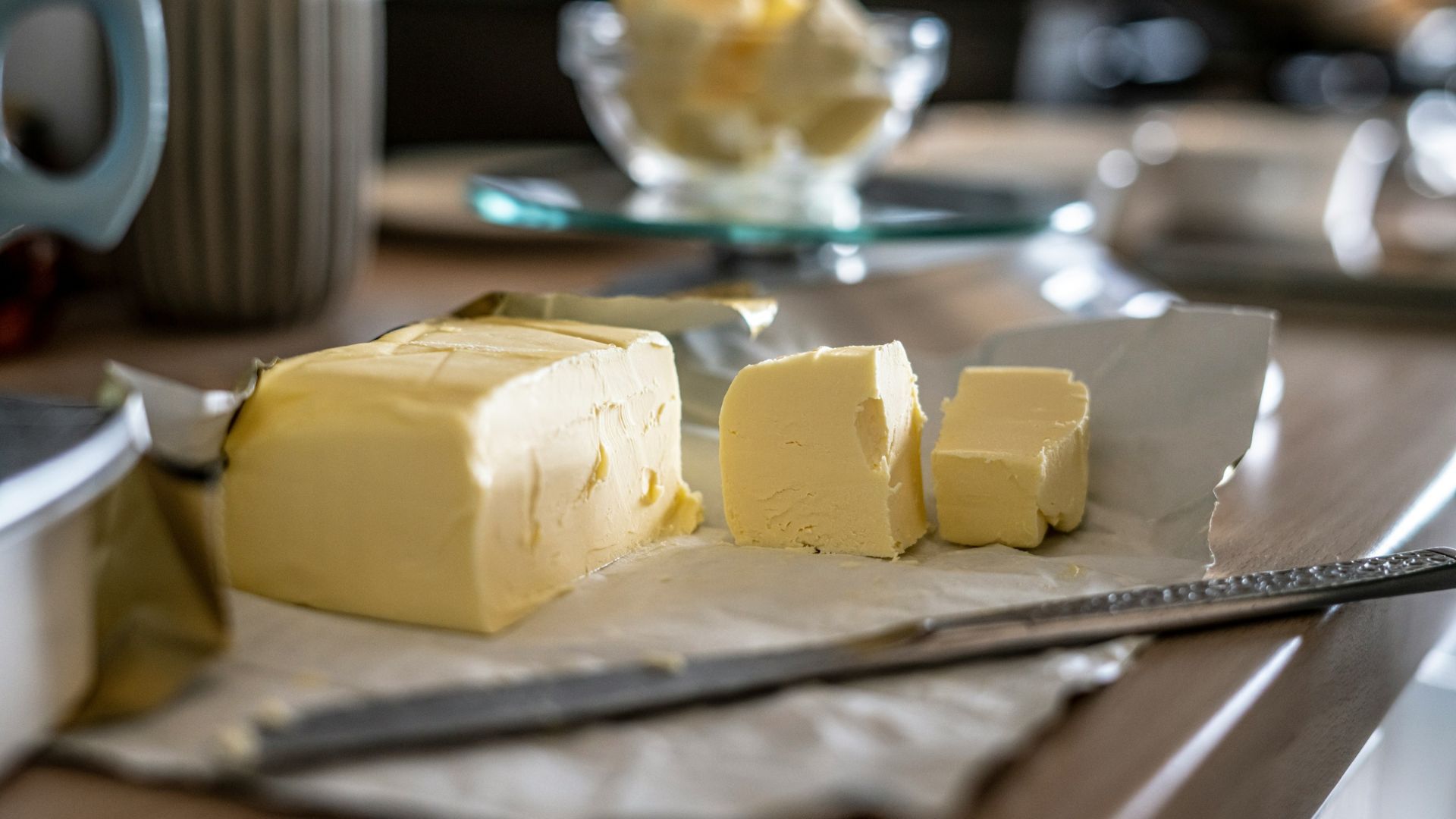
Vegan Butter Substitutes: How to Replace This Baking Staple
Whether you’re baking a pie for Thanksgiving, muffins for a brunch potluck, or cookies just because you deserve them, you’ll encounter butter in almost every recipe. That’s great for flavor, but it’s not exactly ideal if you’re plant-based. Instead of letting this challenge stop you, use the vegan butter substitutes listed below to keep your recipes on track!
Whole-ingredient substitutes for butter
Coconut oil, vegetable oil, and vegetable shortening are the most reliable plant-based butter substitutes, with applesauce being a somewhat popular pick too. If applesauce appeals to you as a butter replacement, you can sometimes use mashed ripe bananas or avocados, pumpkin puree, or pureed sweet potato in its place. These options are less common, but they’re not without merit.
1. Coconut oil
Like butter, coconut oil is somewhat soft at room temperature, explaining why it’s such a popular whole-ingredient dairy-free butter swap. But unlike butter, it completely melts at just a smidge over room temperature, so it isn’t always a perfect replacement. Seek out refined coconut oil if you think coconut’s flavor won’t suit your recipe, since the refined version of this oil is free of coconut flavor.
- Best for: Any recipes other than pie crusts that require solid or cold butter, or any recipe that requires melted butter.
- Replacement ratio: 1:1 (meaning one tablespoon of coconut oil replaces one tablespoon of butter)
2. Plant-based oils (including olive oil)
As a liquid at room temperature, vegetable and plant oil (such as canola, olive, and algae oil) is among the plant-based butter substitutes that’s easiest to find. However, since it’s a liquid at room temperature, it can’t replace butter in recipes that call for creaming butter or piping a butter-based frosting. Use it in place of melted butter instead.
Additionally, olive oil is notably flavorful and not quite right for certain sweet recipes. That said, its flavor may complement chocolatey, nutty, or savory recipes.
- Best for: Replacing melted butter in cakes, muffins, and cookies. Only use olive oil for savory, nutty, or chocolatey recipes.
- Replacement ratio: 3:4 oil to butter (for example, replace 4 tablespoons of butter with 3 tablespoons of oil)
3. Vegetable shortening
This plant-based baking ingredient is often associated with pie crusts, but that’s only the start. Sure, break it out for your pumpkin and apple pies, but it’s also a great pick for muffins and cookies. Plus, a little goes a long way. You’ll use less shortening than the amount of butter called for in your recipe.
- Best for: Pie crusts, muffins, cookies
- Replacement ratio: 4:5 shortening to butter (for example, replace 5 tablespoons of butter with 4 tablespoons of shortening)
4. Applesauce
No, it’s not just for kids. Applesauce is an oil-free plant-based butter substitute (and, even more commonly, plant-based egg substitute) that’s naturally moist and just a bit sweet, although otherwise lacking flavor so your star ingredients shine. Its high moisture content, though, means you may need to use less liquid or add more flour. Check your recipe for descriptions of how the batter should look, then adjust if needed after you’ve mixed everything together.
- Best for: Cakes, brownies, quick breads, muffins
- Replacement ratio: 1:1
5. Mashed overripe bananas
When you mash whole, overripe bananas, you get something like applesauce, so the same notes about less liquid and more flour apply. However, unlike applesauce, bananas’ flavor typically comes out strongly in baking applications. That’s great news if you like the taste of bananas and it complements your recipe (banana bread, anyone?). If not, consider a different plant-based butter replacement.
- Best for: Cakes, cookies, brownies, quick breads, muffins
- Replacement ratio: 1:1
6. Pumpkin puree
Though a rarer choice, pumpkin puree can theoretically be used in all the same butter-replacing ways as applesauce, with all the same caveats about liquid and flour. Lots of plant-based folks find that pumpkin puree in place of butter doesn’t impart a serious pumpkin flavor, but your mileage may vary. The one case in which you can almost always use pumpkin puree is with chocolate baked goods since chocolate’s strong flavor masks any pumpkin taste.
- Best for: Chocolate cakes, quick breads, muffins
- Replacement ratio: 3:4
7. Pureed sweet potatoes
For a lower-moisture alternative to pumpkin puree, try pureeing some freshly baked sweet potatoes (discard the skin before pureeing!). It’s effectively pumpkin puree with less moisture, though you may still need to add more flour or use a smaller volume of liquid ingredients.
- Best for: Chocolate cakes, muffins, quick breads, frostings
- Replacement ratio: 3:4
8. Mashed ripe avocado
As a naturally fatty fruit, avocado is a great fit for plant-based baking even before you consider its creamy, buttery texture. That texture is why avocado is suitable for whipping, creaming, piping, and other frosting-related steps in a recipe. That said, its green tint can add an unpleasant hue to baked goods, so it’s best reserved for chocolate recipes — that beautiful brown cocoa color will block out any avocado tint.
- Best for: Chocolate cakes, frostings, brownies, cookies
- Replacement ratio: 1:1
Plant-based butter substitutes
In some cases, store-bought plant-based substitutes for butter are more convenient and reliable than whole-ingredient replacements. They’re typically made from a base fat such as coconut, sunflower, canola, or avocado oil (or a blend of many oils) and processed with emulsifiers for stability, water for texture, and salt for flavor.
In most cases, a stick of store-bought plant-based butter is exactly half a cup, which takes the hassle out of recipes that call for half a cup of butter or multiples of this amount. Additionally, these butters are often packaged in paper that indicates where you can slice the stick to get one tablespoon, two tablespoons, and so on. And for pie crusts specifically, cold plant-based butter (or vegetable shortening) is typically more reliable than whole-ingredient swaps.
That said, from its highly processed nature to its extra salt, store-bought plant-based butters aren’t for everyone. And if you buy a tub instead of choosing plant-based butter sticks, scooping out the right amount for your recipe can quickly get messy.
How to choose the best butter substitutes
Choosing the right butter substitute depends on your preferences and the recipe. Ask yourself:
- Are there any substitutes my recipe immediately eliminates? Avocado is probably a no-go for non-chocolate recipes. Coconut oil might work for pie crusts, but you may see better results with store-bought plant-based butter replacements.
- What’s easiest for me to find? Olive oil and most vegetable oils are just about everywhere, as is applesauce and other produce-based substitutes. Packaged plant-based butter substitutes are farther and fewer between.
- What matters more to me: convenience or flavor? Olive oil is convenient — you just pour it out of its container — but it may overpower other flavors. Refined coconut oil is less convenient since it’s not pourable at room temperature, but it’s an excellent substitute with no impact on flavor.
- What does the exact recipe say? Check the notes (and, if it’s an online recipe, reader comments and recipe creator replies), not just the ingredient list and steps. You’ll probably encounter information about which plant-based butter substitutes will and won’t work for the recipe.
- Am I willing to risk an imperfect bake? If you’re working with a recipe that isn’t inherently plant-based, all these guidelines will help you find a great substitute, but they aren’t perfect. You might just need to try a certain substitute and be okay with a first batch that doesn’t come out great. Try again with a different replacement, and you might just pull off the perfect bake.
Adjusting recipes to accommodate for butter substitutes
With certain whole-ingredient plant-based butter replacements, you might need to use a smaller volume of wet ingredients or a greater amount of flour. It’s a bit challenging to know exactly how much more or less to use without giving the recipe a go, though the recipe notes or reader comments and creator replies may offer valuable advice.
If you’re using store-bought substitutes, you may want to use less salt than your recipe calls for. Your recipe may specify unsalted butter, and whereas animal-product butter is readily available in salted and unsalted varieties, almost all packaged plant-based butter contains salt. Tread carefully, though. Even a little too much salt may make your baked goods taste more puckering than comforting.
What are the best vegan butter substitutes for baking?
Depending on your recipe, the best plant-based butter substitutes for baking are coconut oil, vegetable oil, vegetable shortening, applesauce, mashed overripe bananas, mashed ripe avocados, pumpkin puree, and pureed sweet potatoes.
What are the best vegan butter substitutes for cooking?
Coconut oil and vegetable oil are the best plant-based butter substitutes for cooking.
Which plant-based butter substitute is the healthiest?
Although no plant-based butter substitute is inherently unhealthy, you may prefer applesauce, mashed bananas, pumpkin puree, or pureed sweet potatoes for a low- or no-fat option. If you’re looking to lessen calories in general, applesauce or pumpkin puree may be your best bet.
Shop plant-based butter swaps with Purple Carrot
For whole-ingredient butter replacements for your cake, muffin, and cookie recipes, look no further than Purple Carrot. With options such as algae oil in our grocery store — not to mention chef- and dietitian-prepared meal kits and ready-to-eat meals — you’ll be in fully plant-based hands for solo bakes, dinner parties, and holiday gatherings. Shop Purple Carrot today for $100 off your first month of deliveries.
