

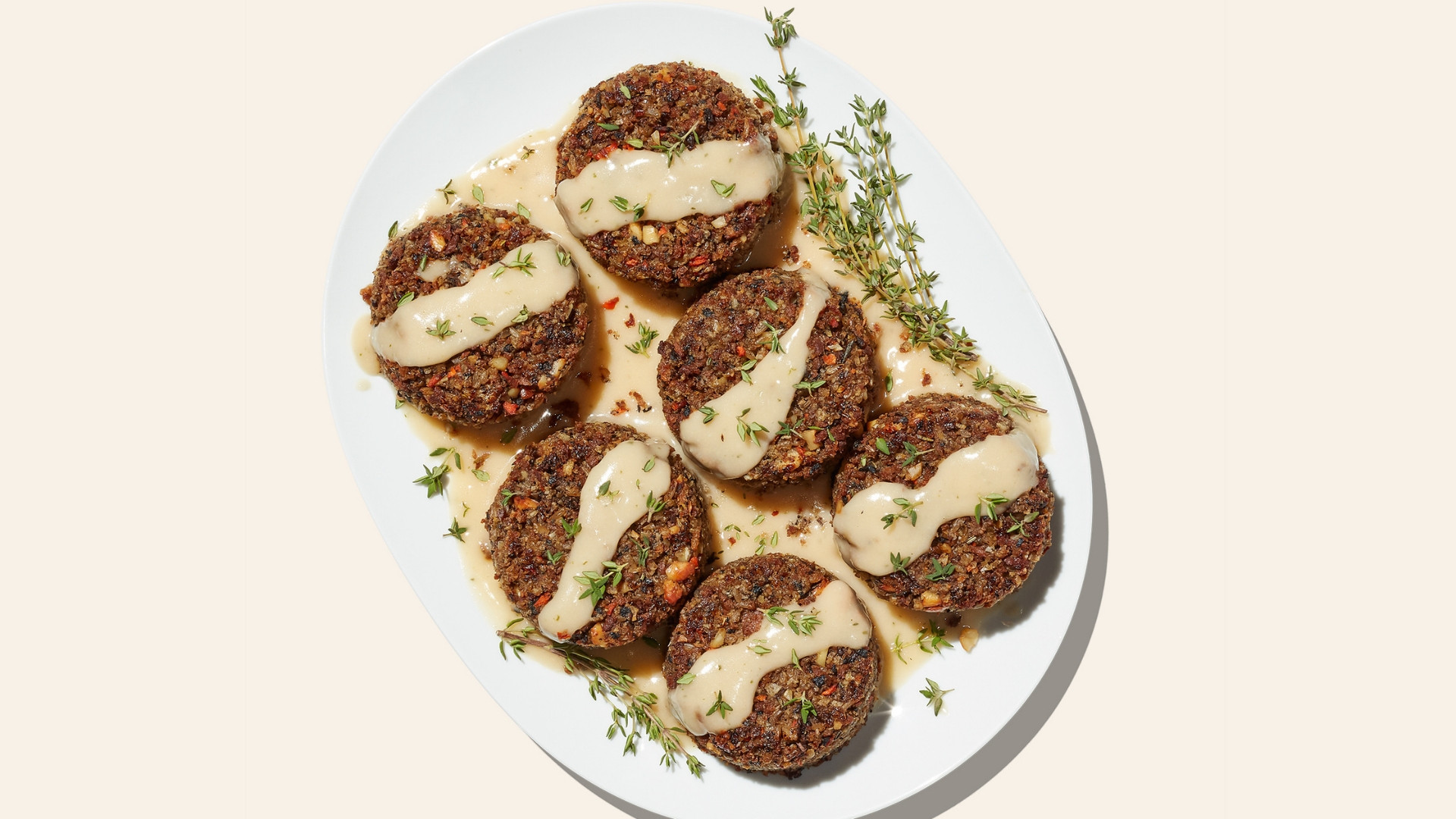
Tips for the Tastiest Vegan Stuffing For Your Plant-based Thanksgiving
Often ranked as America’s favorite Thanksgiving side dish, stuffing is one of the ultimate comfort foods. While stuffing is often made with animal products, you don’t have to leave it off your Thanksgiving plate if you’re eating plant-based. With a few small adjustments to traditional recipes, you can easily make a delicious vegan stuffing that everyone at the table can enjoy.
What ingredients should I use in my vegan stuffing?
If you’re in charge of the stuffing this year and want to make it plant-based, add veggie stock, vegan butter, bread, herbs, and fresh produce to your shopping list, along with .
Vegetable stock
Stock or broth is essential to getting that comforting stuffing flavor just right. It’s also the one ingredient that often makes an otherwise plant-based dish no longer vegetarian friendly, since most recipes call for chicken stock. Luckily, swapping it for veggie stock is one of the easiest substitutions you can make. If you’re trying to save space in the pantry, you can also opt for vegetable stock cubes, which easily dissolve in water.
Vegan butter
Traditionally, stuffing also includes a healthy serving of butter, which you can easily swap for a dairy-free alternative. You’re also welcome to try olive oil, as many vegan stuffing recipes do, but it won’t quite be the same classic flavor profile. If you want that rich buttery taste, vegan butter is the way to go.
Bread
Stale bread cubes are essentially the star of the show in stuffing recipes, dried out in perfect condition to soak up all the other wonderful flavors you’ve added. Sourdough or plain white bread are popular choices since they won’t overpower your other ingredients, but some people like to add a little sweetness to their stuffing and use cornbread. You can also use any gluten-free bread if you’re trying to create an inclusive Thanksgiving table for any special dietary needs.
Vegetables (and maybe a few fruits)
Sauteed vegetables add flavor, texture and fiber to your vegan stuffing. A mirepoix base (carrots, onion, and celery) cooked in that delicious vegan butter is common for most stuffing recipes, and from there you can choose to add your other favorite veggies. Mushrooms pair well with most of the flavors in stuffing, as do fall fruits like apples. You might also want to throw in a handful of dried fruits like cranberries or dates for extra sweetness and texture.
Herbs
The right mix of herbs is key to great tasting stuffing. Most recipes call for a trio of rosemary, thyme, and sage. Many like to use the special occasion to use fresh herbs, but if you don’t have any on hand or time to grab them at the grocery store, the dried herbs in your pantry will do just fine. If you’re going the latter route, keep in mind that you’ll typically need less dried herbs than you would use in a recipe that calls for fresh sprigs.
Optional: vegan protein or nuts
When stuffing does include meat, it’s typically sausage. If that’s what you’re craving, it’s not too hard to find vegan stuffing recipes with plant-based swaps like tempeh-based sausage. Fable mushrooms are another great option to consider.
If you’re looking for additional protein or crunch, consider adding some healthy toasted nuts like pecans to your stuffing mix.
6 tips for cooking the perfect vegan stuffing
The best stuffing balances autumn flavors with a combination of soft and warm textures, complemented by crispy bites on top.
Getting the bread stale enough
Your bread cubes should be as hard as a crouton when you start prepping your stuffing. In a perfect world, you’ve bought your bread several days in advance, with plenty of time to let it sit out. But that’s not always possible, especially when you’re busy with a million other Thanksgiving prep tasks. If your bread isn’t quite stale enough, you can also dry it out in the oven. It only takes about five minutes on a baking sheet with the oven at 400 degrees.
Prepping your herbs and veggies
When you’re sauteing your onions, add your sage into your melting vegan butter. You’ll get greater depth of flavor as the sage infuses with your veggie base. After adding your carrots and celery, some recipes will instruct you to add the rosemary and thyme at the last minute, so it gets cooked just enough, while still holding on to its potent signature taste.
Taste testing before it goes in the oven
After you’ve cooked your vegetables it’s time to combine your bread cubes, veggie stock, any other add-ins, and seasonings. It’s a good idea to give your stuffing mix a quick taste at this stage, so you can see if you need to make any adjustments. Even if it’s just adding a little more salt and pepper, make sure everything is just right before baking your stuffing.
Choosing the right dish
You can combine all your ingredients in the same dish you plan to bake your stuffing in if you want to save on the dishes. A classic glass or ceramic casserole dish is the most common choice for even cooking. Some like to cook their stuffing in muffin tins for pre-portioned individual servings that are perfectly crispy all the way around. If you take this option, keep in mind that cooking times may differ from casserole dish-based recipes.
Cooking for the perfect texture
Most stuffing recipes take about 40 minutes to an hour at about 350 degrees to cook until golden brown, depending on how much stuffing you’ve made. You’ll want to cover your casserole dish with foil for the first 30 minutes, so your stuffing doesn’t burn on the outside. For the last 10-20 minutes, you’ll remove the foil to get that perfect crunchy top.
How to prepare stuffing before Thanksgiving day
If you’re looking to save time, stuffing is one of the best dishes to prep ahead. Just mix everything together, cover, and store in the fridge up to three days in advance. When Thanksgiving day arrives, all you have to do is put on some foil and pop it in the oven.
Storing and reheating your leftover stuffing
Once the celebration is over, it’s time to kick back and relax after all the hard work of hosting. Enjoying leftover stuffing is one of the best ways to enjoy the holiday weekend, and it’s super easy to store. Just make sure your stuffing is completely cool before you place your leftovers in an airtight container or bag and store in the fridge. It’ll last refrigerated for three to four days, or you can freeze it for one to three months.
When you’re ready to enjoy your leftovers, all you have to do is transfer back to a baking dish and reheat in the oven for the best results, until the internal temperature is 165 degrees. (The microwave is also fine, but just note that you’ll lose the crispy texture on top.) If you don’t have time to defrost frozen stuffing, that’s no problem. It’ll just take a few extra minutes in the oven.
Enjoy a plant-based Thanksgiving with Purple Carrot
Planning a more extensively plant-based Thanksgiving spread? Let Purple Carrot help. We’ve got tons of plant-based recipes that make great Thanksgiving sides to go with your stuffing. You can also check out our online vegan grocery store for plant-based ingredients that work perfectly for recipes like mashed potatoes and more. And when the holiday is over, we’ve got easy-to-make meal kits and pre-made options to make planning dinner a whole lot easier. Save $100 on your first month when you shop with Purple Carrot today.
