

45 Must-Have Foods On Any Flexitarian’s Shopping List
Adopting a plant-based diet doesn’t always mean becoming a full-time vegan. Flexitarians, also called semi-vegetarians, eat mostly plant-based while occasionally enjoying meat and other animal products.
Flexible vegetarians get to enjoy the benefits of a plant-based diet without having to take an all-or-nothing approach. If this lifestyle sounds like it could be right for you, we’re here to help you out on your first flexitarian trip to the grocery store.
Stock your pantry and fridge with these flexitarian essentials
Plant-based proteins
Getting enough protein is a priority on a flexitarian diet, and the good news is there are tons of delicious plant-based protein sources that you can easily swap for animal products.
- Tofu: From smooth silken to extra firm, there are so many great ways to prepare every type of tofu. Most forms also freeze well, so you can store this versatile protein for months, and simply defrost when you’ve got a recipe you want to try.
- Tempeh: The sponge-like texture of this fermented soy product soaks up any marinade or sauce. Tempeh makes a super tasty addition to dishes like gochujang peanut noodles.
- Seitan: If you’re avoiding soy, seitan protein is a great alternative made from wheat gluten. Its texture is closer to meat than its soy cousins, so this is a great option if you’re easing into a flexitarian menu.
- Beans: Whether you prefer black, red, pinto, or kidney, beans make any meal filling and nutritious. They’re versatile, offer tons of fiber, and when paired with grains like rice, make a complete protein with all the amino acids you need.
- Lentils: Like beans, lentils are an affordable staple if you’re trying to eat plant-based on a budget. But dried lentils don’t need to be soaked overnight like dried beans do, so prepping them from scratch is way faster.
- Chickpeas: Keep a bag of dried garbanzo beans in your pantry or stock up on cans for when you don’t have a lot of time to cook. Add them to a salad or pasta dish for some extra protein or serve as the main course in recipes like chickpea tikka masala.
Whole grains
Carbohydrates are an important fuel source and whole grains help you get them. They also have the added benefit of supporting healthy blood sugar levels. As a flexitarian, work to incorporate these whole grains into your weekly menu:
- Brown rice: Swap the white rice for this whole grain alternative, loaded with nutrients and antioxidants. Serve as a side dish or make it the base for your lunchtime grain bowl.
- Quinoa: This high-protein grain is fluffy and delicious, and only takes about 15 minutes to cook. It’s easy to store in your pantry, and pairs well with just about any flavor or cuisine.
- Farro: Switch things up with this often forgotten nutty grain. Prepping farro is similar to making pasta, and its chewy texture makes for a nice change from rice.
- Oats: Start your day on the right foot with a comforting bowl of oatmeal. This breakfast staple cooks up in minutes, or you can prep overnight oats for when you need to just grab and go in the morning.
- Whole grain pasta: You don’t have to give up pasta if you’re working to add more whole grains into your diet. Whole grain pasta varieties are just as easy to cook, and they offer about triple the amount of fiber of their counterparts.
Cooking essentials
Every kitchen, flexitarian or not, needs certain cooking ingredients on hand to craft a good meal.
- Olive oil: As a flexitarian, swapping real butter for plant-based cooking oil is one of the easiest ways to cut out animal products. Olive oil is full of healthy fats and has a low smoke point, making it great for sauteeing on low to medium heat.
- Avocado oil: If you need to cook on higher heat, avocado oil offers a higher smoke point. It’s also got a more neutral flavor than olive oil, if you want an oil that you won’t notice as much in your finished dish.
- Coconut oil: Got a baking recipe that calls for butter? Coconut oil makes a great vegan substitute.
- Apple cider vinegar: After you’ve covered the salt, fat, and heat, most dishes need to be balanced with an acid. Apple cider vinegar covers that ground. To boot, it may support blood sugar and gut health.
- Dried herbs and spices: The right seasoning is key to a satisfying meal. Keep your favorite herbs and spices in the pantry, such as garlic, paprika, oregano, basil, and thyme. Depending on your favorite cuisines, it might also be a good idea to get some garam masala, turmeric, or curry powder too. They’ll keep well for ages, and you can have fun experimenting with different flavor blends.
Baking ingredients
When you want a sweet treat, baked goods you make at home don’t have the extra preservatives that are typically found in store-bought items. Plus, you’ll have more control and the ability to make healthier swaps if you choose.
- Flour: As the base for most baked goods, there are so many different flour options to choose from, depending on dietary needs and preferences. Whole wheat flour offers more fiber and other potential health benefits than white flour. If you’re gluten-free, try options like almond, coconut, or buckwheat flour.
- Leaveners: You’ll need something to make that dough rise. Keep a combo of baking soda, baking powder, and yeast on hand, as different recipes require different leaveners.
- Sweetener: When you cook at home, you can usually adjust the level of sweetness, along with the type of sweetener, in your recipes. (This isn’t universally true, though, so always make sure you’re making something that works well with modifications.) In addition to regular table sugar, you can also experiment with turbinado or “raw” sugar, as well as alternative sweeteners like agave. Options like honey (not vegan, but totally OK for flexitarians) and maple syrup offer some nutrients like antioxidants as well as sweetness.
Fruits
Fruit is loaded with fiber and vitamins, essential to any healthy diet. And nutrition aside, there’s nothing better than enjoying the perfect piece of ripe fruit during its peak season.
- Apples: There’s some science behind the old adage recommending “an apple a day.” This fall fruit is nutrient-dense and makes a delightful healthy snack, whether by itself or sliced and slathered in your favorite nut butters.
- Citrus: Get your daily dose of vitamin C with citrus fruits like oranges and grapefruit. A squeeze of lemon and lime also instantly brightens up lunch, dinner, or a plain glass of water.
- Berries: Varieties like blueberries, strawberries, and raspberries are delicious eaten on their own. They also freeze well to turn into sorbet or save for a later date. Save them for a baked cobbler or to grab when you need to make an easy smoothie.
- Melons: Watermelon, cantaloupe, and honeydew are filled with water, so snacking on melon slices is a great way to stay hydrated on a hot day.
- Stone fruit: Pitted fruits like cherries, peaches, plums, and mango are best enjoyed in the summer months. If you want to keep your produce fresh longer, stone fruits store best in a paper bag on the counter instead of in the fridge.
Vegetables
Focus on stocking your fridge with a rainbow of starchy and non-starchy vegetables, as variety is the key to a flexitarian diet that keeps things interesting.
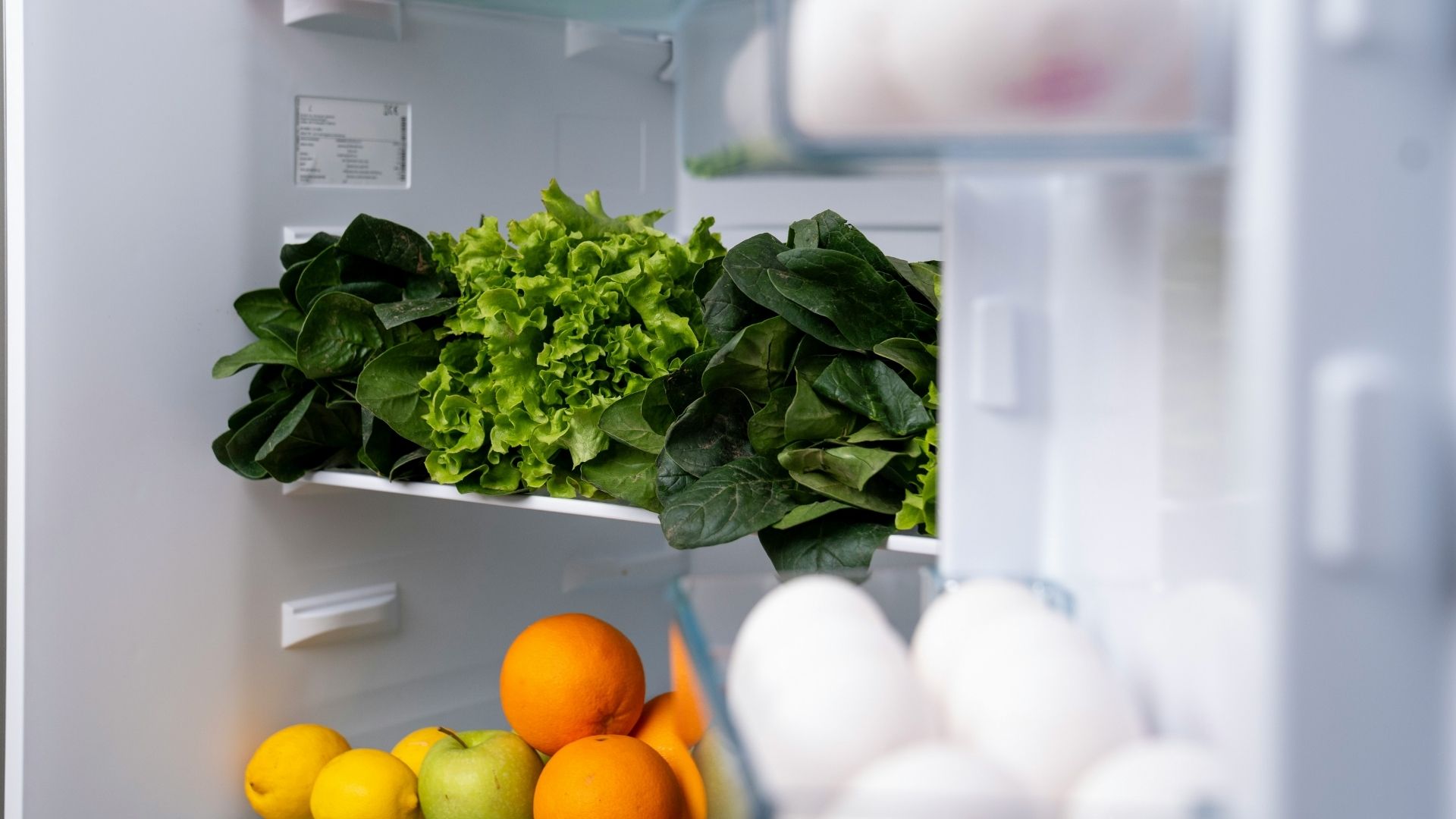
- Leafy greens: Kale, spinach, arugula, and other leafy varieties can offer tons of inflammatory properties, in addition to their fiber and vitamins. Use as the base for a salad or saute for something green on the side.
- Root vegetables: Vegetables grown in the ground, like potatoes, beets, carrots, and radishes, absorb nutrients from the soil, including potassium. Many of these starchy varieties are also super filling, and roast up in the oven or air fryer quite nicely.
- Brassica vegetables: Cabbage, broccoli, and Brussels sprouts are full of strong flavors with plenty of antioxidants. Roast to a crisp for the perfect texture and add to your favorite grain bowl.
- Mushrooms: These make a surprisingly great meat substitute in dishes like tacos, stir fry, and pasta dishes. Fungi like cremini, shitake, and portobellos absorb sauces and marinades very well.
Snacks
Beyond breakfast, lunch, and dinner, stocking up on healthy snacks helps keep your flexitarian diet on track.
- Nuts and seeds: Roasted seeds and nuts are good for you, while offering a salty, satisfying crunch. While they’re great as a solo snack, you can also have pumpkin and sunflower seeds, as well as almonds, walnuts, and pecans on hand to add extra nutrition and texture to dishes like salads.
- Hummus: Eating hummus is great for your health since it’s packed with protein and fiber. Pair with crackers, pita chips, or carrot sticks.
- Pickled veggies: When you need something a little salty, pickles are the perfect option. You can enjoy classic pickled cucumbers or get adventurous with choices like okra or carrots. If you can’t find them in the store, pickling at home can also be a fun project.
- Edamame: These soy beans are super nutritious and easy to make. Boil for three to five minutes in their shell. Keep a bag of frozen edamame pods on hand and enjoy any time you want something light and delicious.
- Popcorn: When made at home, popcorn offers a low-calorie snack with health benefits ranging from blood sugar management to aiding gut health. If you’re craving something cheesy, sprinkle on some nutritional yeast.
Dairy and eggs
When you do want to enjoy animal products as a flexitarian, you can still take a mindful approach with nutritionally sound and ethically-produced choices.
- Parmesan: Did you know Parmesan cheese is super nutritious? It’s got tons of protein and calcium, and makes a great finishing touch to more than just pasta. Add to roasted veggies or salads, or if you’re feeling fancy, make your own Parmesan crisps.
- Greek yogurt: Instead of regular yogurt or sour cream, opt for this higher-protein, lower sugar option. You can enjoy it as a savory or sweet option, such as a morning yogurt and fruit bowl or as the finishing touch on top of a mostly plant-based burrito bowl.
- Humanely raised eggs: Know how to decode the label on your egg carton, so you know if they were humanely produced. For instance, “cage free” and “free range” are regulated by the USDA, while labels like “pasture raised” and “natural” are not.
Meat and fish
When you do eat meat, try to prioritize lean cuts that offer the most nutritional benefits.
- Lean poultry: Options like chicken or turkey breast offer more protein with less saturated fat.
- Wild-caught fish: Avoid farm-raised fish and go for higher-quality mains like wild-caught salmon, which is a great source of omega-3 fatty acids.
- Grass-fed beef: It’s best to minimize red meat, but when you are craving steak, grass-fed beef may be a better choice than conventional options.
Condiments
The right sauce can be the difference that makes or breaks a good meal. Keep these plant-based condiments available for any time you’ve got a dish that needs a little extra oomph.
- Soy sauce: When you need a little umami, soy sauce can answer the call. Go for low sodium options or try alternatives like the coconut-derived liquid aminos.
- Vegan mayo: While it’s not exactly a health food, vegan mayo doesn’t have the same cholesterol as regular mayonnaise since it’s made without eggs.
- Gochujang: This fermented red chili paste is perfect for adding a little heat without being too overpowering. Mix with your vegan mayo next time you’re making a veggie sandwich and hear your taste buds sing.
Beverages
Now you need something to wash it all down. Here are some great sugar-free options to pair with your flexitarian meals:
- Infused water: Staying hydrated doesn’t have to be dull. Add some slices of your favorite citrus fruits, cucumbers, or berries to your water for a healthy, refreshing treat.
- Tea: There’s some evidence that tea may support wellness since it’s rich in antioxidants. Start your morning with a cup of caffeinated black tea and relax with herbal options like peppermint or chamomile as the day goes on.
- Coffee: There’s nothing wrong with coffee in moderation. Enjoy it black or try with your new favorite plant-based milk.
Foods to avoid when on a flexitarian diet
Eating right on a flexitarian diet is all about prioritizing whole and minimally processed foods. When you do consume meat and other animal products, you should avoid or limit the following:
- Highly-processed meats: This includes things like deli, smoked, and cured meats.
- Refined grains: Processed carbohydrates have a higher glycemic index, which may affect your blood sugar levels and leave you feeling more depleted than energized.
- Added sugar: It’s ok to indulge every now and then, but it’s best to save treats with added sugar, like soda and candy, for special occasions.
How much meat should I eat on a flexitarian diet?
There’s no one set of strict rules for how often flexitarians should eat meat and other animal products. You get to decide what works best for you. Dawn Jackson Blatner, the registered dietician who coined the term flexitarian, outlined three stages of the diet:
Beginner: Going vegan just two days per week
Advanced: Eating plant-based three days a week
Expert: Skipping all animal products at least five days a week
The right level of flexitarianism is going to depend on your unique needs, preferences, and goals for trying this new lifestyle. While eating meat just one day a week might work for some, others might have a hard time digesting plant-based proteins. The key is to experiment and see what works best for you.
Tips as you stock your flexitarian pantry and fridge
If you’re new to the flexitarian lifestyle, you might not be sure where to start. Follow these tips when you’re just starting out. Before you know it, your flexitarian shopping habits will feel like second nature.
Plan your menu
Choose a few recipes that you’d like to make in the week ahead before you get to the grocery store. This way, you have a list ready with ingredients you know you’ll use. The more intentionally you plan your meals, the less likely you are to impulse buy.
Look for high-quality ingredients
Quality over quantity is key as a flexitarian, especially with the occasional animal product indulgence. Learn which labels indicate something was ethically produced, and emphasize products with the greatest amount of health benefits.
Prioritize balanced nutrition
Eating plant-based can come with a lot of health benefits, but you have to be mindful of getting all your vitamins and minerals in. There are certain nutrients that you can’t get from plants. Give your occasional animal products a job: make sure what you add into your flexitarian diet supplements everything plant-based meals might miss.
Put your ingredients to work with this sample meal plan
Crafting your first week of flexitarian meals? You don’t have to go at it alone. Check out Purple Carrot’s flexitarian diet plan with seven days of sample meals. This menu is designed for busy schedules, so you won’t have to spend hours in the kitchen to enjoy healthy and nutritious flexitarian dishes.
Why go flexitarian in the first place?
There are tons of great reasons to adopt a flexitarian lifestyle, including health benefits for both yourself and the planet.
- Better heart health: When you add more fiber to your diet while reducing your intake of processed foods, you may drastically lower your risk of cardiovascular disease. Going flexitarian is a great way to manage your blood pressure, cholesterol, inflammation, and so much more.
- Manage blood sugar: There’s also evidence that a diet high in fiber and protein, and lower in processed sugar and carbohydrates, may reduce your risk of type 2 diabetes. Some studies have shown that eating plant-based foods may positively impact insulin sensitivity.
- Curb your carbon footprint: The ethical issues of the meat industry go beyond harming animals. It also has a significantly negative impact on the environment. If everyone made small dietary changes, eating plant-based just twice a week could lower the global carbon footprint by as much as 35%.
Add Purple Carrot to your flexitarian foods list
Some nights you just don’t want to plan. That’s where Purple Carrot comes in. Our chef-crafted plant-based meals are perfect for new flexitarians with busy schedules. Explore Purple Carrot’s recipes and start enjoying delicious, dietician-designed meal kits, delivered right to your door every week.
