
Setting The Record Straight On Vegan Diet Myths
People have a lot to say about going vegan. Some of it’s good, some of it’s bad, and many of those claims are just plain not true. We’re here to help clear up some of the most common vegan diet myths floating around.
Vegan diet myth #1: Diets without animal products don’t have enough protein
You’ve probably heard this one more than a few times. The naysayers claim that plant-based diets don’t have what it takes to meet your daily protein needs.
The truth: There are plenty of delicious ways to get plant-based protein
Whether it’s tofu, seitan, or good old fashioned beans and rice, there are tons of plant-based protein sources that meet your daily requirements (and then some for the gym lovers). Like with any diet, mindful choices are key. Even people that aren’t vegan or vegetarian can struggle to get enough protein. It’s just a matter of doing your research and finding what works best for you.
Get familiar with nutrition labels and learn the difference between complete and incomplete proteins. This helps you put the right mix of foods on your plate at each meal to meet your protein goals. For instance, pairing legumes with whole grains often gets the job done.
Myth #2: Vegan diets will lead to vitamin deficiencies
Whether it’s getting enough iron or vitamin B12, many people believe plant-based diets lack important vitamins and minerals.
The truth: Eating a variety of foods provides the vitamins you need
Again, it’s all about being intentional with what you put on your plate. If your vegan diet doesn’t include a variety of fruits and vegetables, then sure, you might not get enough vitamins. But that’s true for non-vegans, too. The more colors on your plate, the more vitamins your body will get. Leafy greens can be a great source of iron and you can find vitamin B12 in fortified foods like cereals and nutritional yeast.
There’s also no shame in taking vitamin supplements while you’re learning the right balance, as long as you talk to your healthcare provider about it. Some important vitamins aren’t easy to get from food anyway. For instance, even many folks on animal-based diets have to take vitamin D supplements if they don’t spend enough time in the sun.
Myth #3: If you don’t eat dairy, you won’t get enough calcium
Cow’s milk is rich in calcium, so if you cut it from your diet, many think you’ll be at risk for poor bone health.
The truth: Milk is not the only great source of calcium
You might be surprised to learn calcium is found in a lot of unexpected sources. Green vegetables like cooked kale and collard greens can provide as much as 13% of the daily recommended value for calcium, while a cup of cooked black beans offers 8% of the daily recommended value. Plus, if you’re drinking plant-based milk, most brands are fortified with as much calcium as you’ll find in regular dairy milk. Some brands of oat milk offer even more calcium, with as much as 350 mg per serving compared to 290 mg of calcium in dairy milk.
Myth #4: Going vegan means you’ll always be hungry
Without animal products, it’s easy to assume plant-based foods won’t keep you satisfied for very long.
The truth: Many plant-based meals will keep you full and happy
If you want a satisfying meal, it’s all about getting the right balance of carbs, fats, proteins, and fiber, whether you’re eating animal products or not. The more you experiment with plant-based recipes, the more you’ll find that variety is key, and there are actually way more plant-based meals that keep you full than you realize.
Myth #5: Plant-based foods don’t give you enough energy
One of the most common misconceptions about vegan cuisine is that it’ll leave you sluggish and tired.
The truth: A balanced vegan diet can meet your energy needs
There are tons of health benefits to going vegan, including more stable energy levels. Eating more fiber from fruits and vegetables can actually help balance your blood sugar levels, helping you avoid the dreaded afternoon crash. Some research shows that certain plant-based foods may be more effective at boosting your energy than a cup of coffee.
Myth #6: Plant-based foods are more expensive
Maybe you’re considering exploring a vegan diet for your health, but you’re afraid it’s going to lead to a higher grocery bill.
The truth: Whole plant-based foods are generally more affordable
Sure, some plant-based products can come with a higher price tag, like meat substitutes and other highly processed options. But that’s not true for whole, minimally processed foods. If you’re shopping for plant-based foods on a budget, prioritize ingredients like whole grains and dried legumes, which you can often find in bulk for even more savings.
It’s also important to remember that when you’re not buying meat, dairy, or eggs, that frees up your budget for fruits and veggies that might run a little more pricey. Plus, eating more whole foods is just as good for your health as it is for your wallet.
Myth #7: A plant-based diet is automatically healthier
You’ve heard all about the numerous health benefits from eating plant-based, so you think cutting animal products alone is enough to improve your health.
The truth: Eating mindfully is still essential to a healthy vegan diet
You might be trying to improve heart health or lower your blood sugar. Simply removing meat and dairy from the menu isn’t enough. You can still technically be vegan while living on a diet of chips, cookies, and candy. Being healthier is about all the good things going plant-based adds to your diet and what you’re taking away. If you’re not getting enough servings of fruits and vegetables, you probably won’t be feeling too great, even if you never touch another hamburger again.
Myth #8: Plant-based diets are bad for pregnant people
Being pregnant requires extra awareness around nutrition, and some folks assume a vegan diet isn’t sufficient for you and your growing baby.
The truth: Plant-based foods are rich in important nutrients for a healthy pregnancy
It’s always important to talk to your doctor to make sure you’re getting all the vitamins you need. But it’s absolutely possible to get the right balance of lean protein, healthy fats, and vitamins for a healthy pregnancy on a plant-based diet.
For example, one of the most important nutrients to prioritize in a pregnancy diet is folate, and you’ll find lots of it in foods like spinach and beans. Avocados and certain types of seeds can be great sources of essential healthy fats, too. These whole foods aren’t just great for during pregnancy, either. Plant-based eating can also help you meet your nutrition needs after having your baby.
Myth #9: Vegan diets are high in carbs
Without animal products in the rotation, it’s common to assume plant-based diets are higher in carbohydrates.
The truth: Balance is key to getting the right amount of carbs in any diet
Low carb diets are a common go-to for weight loss, and many of these diet plans, like the keto diet, often call for high animal-protein intake. But the truth is, vegans don’t necessarily eat more carbohydrates than those who aren’t plant-based. As long as you prioritize a balance of nutrients, it’s very possible to avoid over consuming carbohydrates.
It’s also important to remember that carbs aren’t automatically bad for you. In fact, carbs are essential to a healthy diet, and your body’s preferred energy source. There’s also some evidence that low carb diets can lead to higher cholesterol if you don’t get enough fiber. As always, enjoying in moderation and paying attention to nutrition servings will help you stay at the daily recommended value for carbohydrates.
Myth #10: Eating too much soy increases your risk of cancer
Some reports have stated that the “plant estrogen” in soy can lead to a higher risk of certain types of cancer.
The truth: There is no strong evidence linking soy consumption to cancer risk
Soybeans contain isoflavones, which mimic estrogen hormones. Since higher estrogen exposure has been shown to potentially increase the risk of breast cancer, many assume eating more soy puts you at greater risk. But the correlation has yet to be scientifically proven. Isoflavones aren’t as strong as the kind of estrogen produced in the body, and some sources even state that isoflavones may lower the negative impacts of the estrogen your body produces.
It’s always a good idea to discuss any dietary changes with your healthcare provider, especially if you have a family history of certain types of cancers. But for the most part, the science suggests that eating the recommended serving (a cup and a half) of soy every day comes with a very low health risk.
If you’re still concerned about eating too much soy or eating soy at all, you can adhere to a plant-based diet without soy products. Seitan contains no soy, and a whole world of legumes, grains, fruits, vegetables, nuts, and seeds is available to you.
Myth #11: You’ll eat the same thing over and over again
You might be concerned that going vegan means getting stuck in a boring salad rut.
The truth: There are endless creative possibilities in plant-based cooking
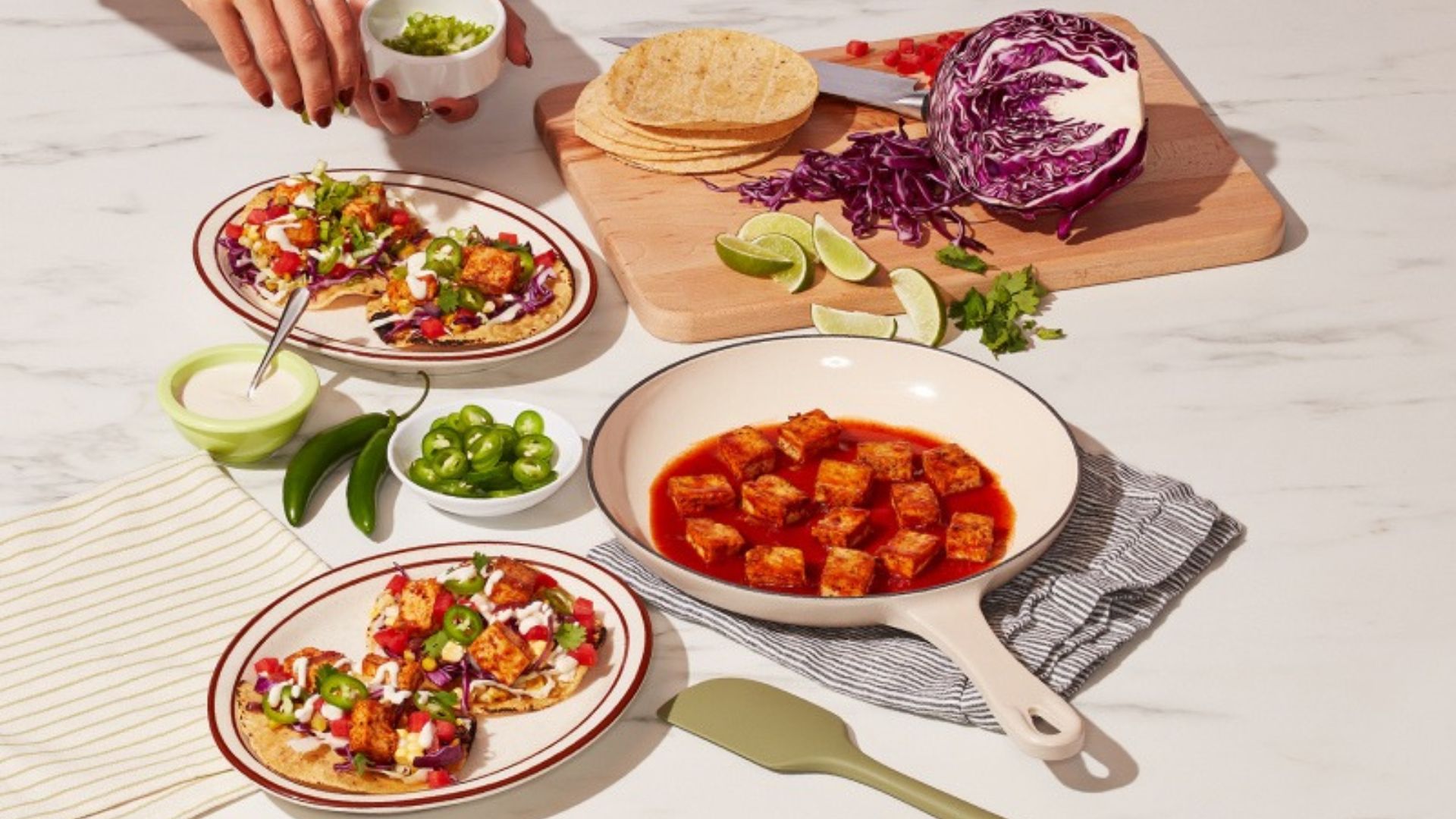
Don’t be fooled into thinking going vegan means eating nothing but steamed veggies and bland brown rice. There are an infinite number of flavor combinations to explore with plant-based cuisine. Recipes like adobo-roasted tofu and BBQ pulled jackfruit will satisfy your cravings and send your tastebuds on a wild ride.
Myth #12: Going plant-based has to be all or nothing
If you’re thinking about trying out a plant-based lifestyle, you might be intimidated by the idea that you’ve got to go 100% from the start.
The truth: There’s more than one way to eat plant-based
It’s okay to start slow while transitioning to a vegan lifestyle. If all you can handle is a couple of vegan swaps for the first few weeks, that’s perfectly fine. Small changes are better at setting you up for success in the long run. And there’s also no rule that says you have to be 100% vegan all of the time. Many enjoy all the benefits of a plant-based diet by living a flexitarian lifestyle, where most of your meals are plant-based, but you occasionally indulge in animal products.
The truth about eating plant-based with Purple Carrot
It’s easy to get confused with all the misinformation out there, but we’re here to set the record straight. Eating plant-based is easy and delicious when you shop Purple Carrot’s plant-based meals. Our chef-crafted, dietician-approved meal kits are designed to fit a range of nutrition needs. Most of our recipes are ready in 30 minutes or less, so you can eat healthy no matter how busy your schedule is. Try Purple Carrot this week and find out the truth about how great it is to go plant-based for yourself.
