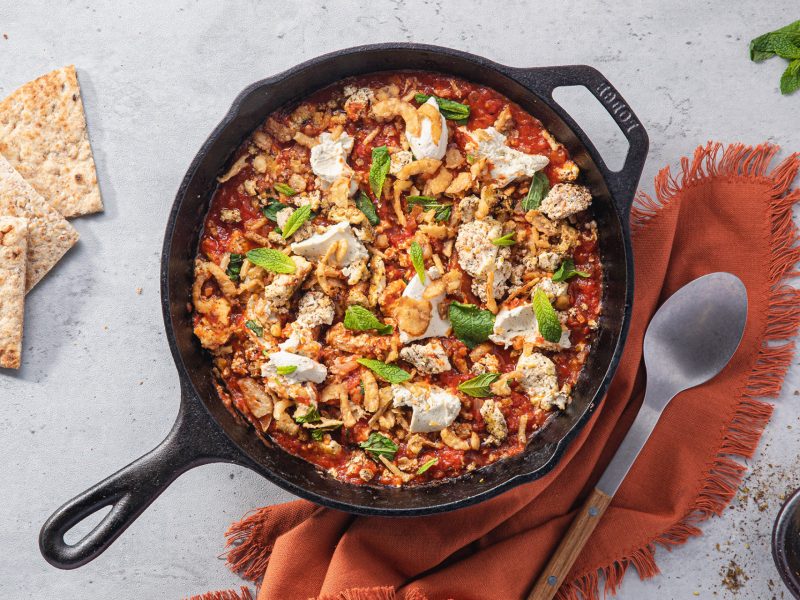
Your Complete Guide To Cooking And Eating Seitan Protein
In the world of plant-based proteins, soy products like tofu tend to dominate the headlines (and home chef recipes), but they’re far from your only option. Seitan, a gluten-based protein, is beloved for the meat-like texture it brings to products like vegan wings and skewers. Here’s what makes seitan protein an excellent, texture-forward meat replacement and what you need to know before cooking it.
The ins and outs of seitan
Seitan is a plant-based protein made from vital wheat gluten with a tender texture reminiscent of animal proteins. It makes a great replacement for deli cold cuts or as the main protein in your favorite stir fry.
What is seitan made of?
Seitan is made from two ingredients: wheat flour and water. It’s so simple, you can make it at home if you’ve got time to spare. You’ll essentially create a dough and then go through a process of rinsing away all the flour’s starch until all that remains is the wheat protein. Whether you buy it from the store or make your own, we recommend adding spices or marinades at the end for extra flavor.
A brief history of seitan protein
This plant-based protein first became commercially available in Japan in the 1960s, but seitan itself has been a staple protein in Asian cuisine for thousands of years. The vegan protein was created by Buddhist monks in 6th-century China who practiced plant-based eating for religious reasons. It took a bit longer — until the mid-20th century, to be precise — for seitan to make its way to the United States.
Today, the global market for seitan products is quickly growing as more people adopt plant-based diets and expect to see alternative protein options available in grocery stores and restaurants.
Seitan allergens
Because seitan is made from wheat protein, seitan is unsafe for those with celiac disease and wheat allergies.
What is seitan’s nutritional profile?
Seitan protein features low carbohydrates and fat content, along with important nutrients for energy production like iron. Although it’s an incomplete protein, as it’s missing the amino acid lysine, you can easily pair it with foods like soy sauce to meet your nutrition needs.
100 grams (slightly less than ½ cup) of seitan contains:
- Protein: 75.2 grams
- Fat: 1.85 grams
- Carbs: 13.8 grams
- Iron: 5.2 mg
- Magnesium: 25 mg
- Potassium: 100 mg
- Sodium: 29 mg
When do you use seitan instead of meat?
When it comes to plant-based swaps, seitan offers tons of flexibility for a variety of cuisines. It can mimic deli meat when prepared in thin chewy slices, and it also works well in thicker cuts. Here are just a few examples of seitan recipes worth trying:
- Kebabs: Instead of marinating meat, try seitan skewers on the grill.
- Pasta sauce: Use ground seitan in place of ground beef for a hearty meatless sauce.
- Wings: Seitan’s chicken-like texture makes it the perfect vehicle for buffalo sauce and vegan ranch dip.
- Tacos: Fill tortillas with seitan crumbles and your favorite toppings for easy, satisfying lunches or dinners.
- Steak: Season with soy sauce, tomato paste, garlic, onion powder, and any other seasonings you like, and pan fry for a delicious, juicy seitan “steak.”
Benefits of seitan
If you need a nutritious, high-protein staple to fit into your plant-based diet, seitan delivers. It offers more than double the amount of protein per serving than tofu, not to mention it’s a great alternative for folks with soy allergies. The low-carb, low-fat protein is also cholesterol-free, great for those watching their HDLs and LDLs.
How to prep and cook seitan
Seitan is an extremely adaptable ingredient and it’s particularly adaptable to pan frying, but it requires a little extra care to get the best result. Your plant-based protein can’t just go straight from the cutting board to the frying pan; it needs a little love first.
For the best texture, choose one of these three prep methods before your seitan gets a final browning or sear.
- Simmer: Use water or vegetable stock to soften your seitan. It gets the simmering treatment for 30 minutes to one hour before it heads to the frying pan.
- Bake: This method works all on its own if you’re looking for the fewest steps. Baking seitan at about 325 degrees for 90 minutes gives it a firm texture.
- Steam: Steaming for about 45 minutes to an hour gives your seitan a texture that’s just right — not too firm, soft, or chewy.
Seitan vs. other plant-based proteins
Here’s how seitan compares to other popular vegetarian proteins.
Seitan vs. tofu
Tofu provides a softer texture than seitan, perfect for blending when you need something creamy. While seitan is derived from wheat flour, tofu is made from soy curds. Seitan offers more protein per serving, but tofu also contains minerals like magnesium and phosphorus. Like seitan, tofu has a mild flavor that easily adapts to a variety of dishes.
Seitan vs. tempeh
Tempeh is another soy-based protein, although it’s made from cooked and fermented soybeans, which may be beneficial for gut health. It’s slightly less chewy than seitan, but still firmer than tofu, with a mildly nutty taste. Like seitan, it’s often steamed in the first phase of cooking for the best texture.
Seitan vs. textured vegetable protein (TVP)
Textured vegetable protein (TVP) is typically made from defatted soy flour. It’s another plant-based protein with minimal natural flavor, so it can easily soak up any seasonings or sauces. You’ll often find it in crumble form, making it a perfect swap for ground meat. One 23-gram serving offers 14% of your recommended daily value of fiber, too.
Vegetarian protein comparison chart
| Seitan | Tofu | Tempeh | TVP | |
|---|---|---|---|---|
| Made from | Wheat flour | Soy | Soy | Soy |
| Protein per 100-gram serving | 25 grams (prepared) | 8 grams | 19 grams | 18 grams (prepared) |
| Complete protein? | No | Yes | Yes | Yes |
| Texture | Firm, chewy | Soft or slightly firm, depending on tofu type | Firm, chewy | Porous, similar to ground meat |
How to store seitan
Seitan generally lasts in the refrigerator for three to five days after opening. If you’re storing seitan you made yourself, make sure to steam before cooling and storing. This plant-based protein also freezes well, so you can stay stocked up on seitan for up to six months.
FAQs about seitan
Is seitan good for you?
Seitan is a healthy plant-based protein source with low carbohydrates and fat, and high protein content.
Does seitan contain a lot of protein?
Yes, seitan contains about 25 grams of protein per 100-gram serving.
Is seitan a complete protein?
No, seitan is an incomplete protein, missing the amino acid lysine. It’s important to pair with other lysine-rich foods, such as soy sauce.
Is tofu better than seitan?
Tofu may be a better alternative for those allergic to wheat or gluten. It also has a softer texture than seitan. However, seitan is sometimes better at mimicking the actual texture of meat, and it has more protein per serving than tofu.
Is seitan gluten free?
No, seitan contains gluten as it is made from wheat flour, and should not be eaten by those with gluten allergies or sensitivities.
Try your own seitan-based recipes with Purple Carrot
Take out the guesswork when cooking with seitan for the first time. Purple Carrot offers plenty of meal kit recipes with seitan in the spotlight. Whether you prefer noodles or rice bowls, seitan is the perfect main attraction in our dietitian-approved, plant-based meals. Shop Purple Carrot for healthy meals without the hard work.

Post a Comment
You must be logged in to post a comment.